Drums of the World – Exploring the Art, Music, History and Cultural Significance of Drums
The “Drums of the World” collection by Ulli Siebenborn offers a unique insight into the cultural significance of drums as central objects of human societies and presents one of the most distinctive private drum collections.
The collection documents approximately 400 traditional drums and slit gongs from more than 150 cultures and explores their importance as objects of cultural heritage, artistic expression, religious practice, and ethnomusicological research.
Drums are far more than musical instruments. They connect sound, body, communication, spirituality, power, ritual, and aesthetics. Across cultures, they function as instruments of communication, symbols of authority, tools of healing, and expressions of collective identity.
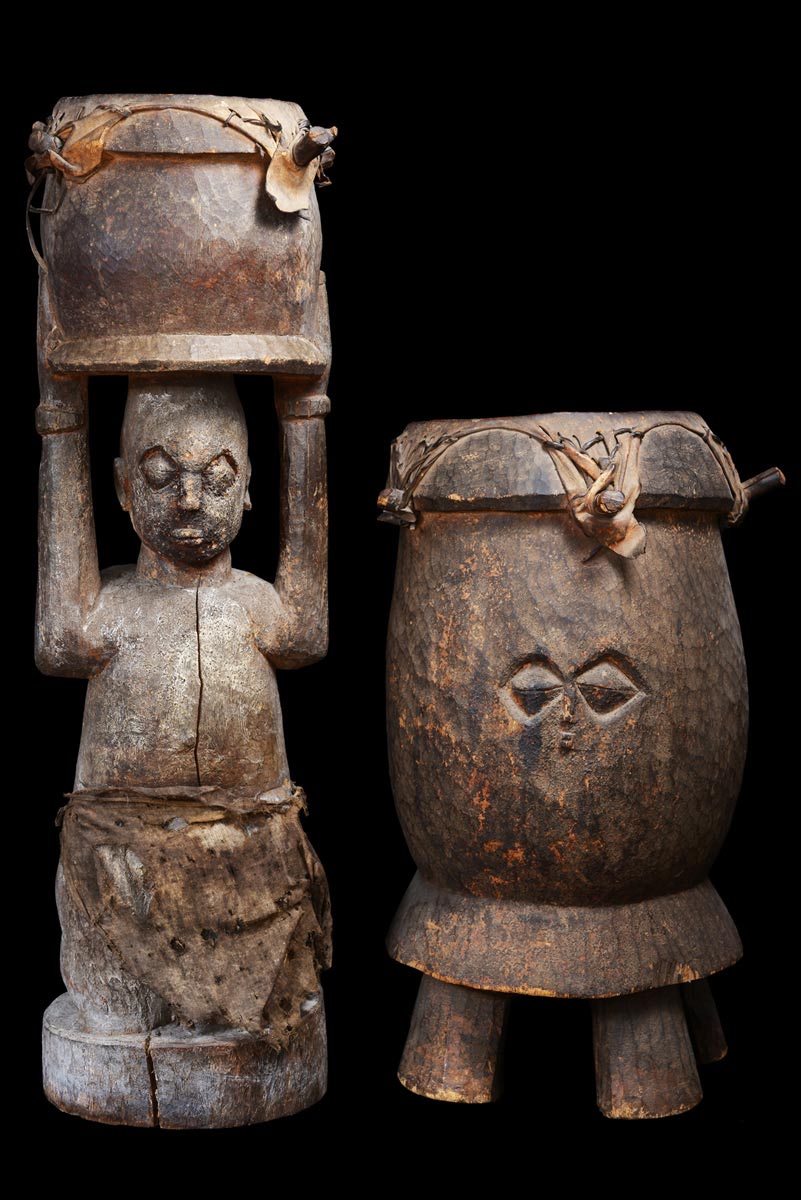
With a regional focus on Africa, the Himalayas, and New Guinea, the collection highlights African drums, talking drums, ritual drums, sacred drums, ceremonial drums, shaman drums, and traditional percussion instruments within their original cultural contexts.
The collection demonstrates that drums are not only instruments for making music but also complex cultural artifacts that preserve knowledge, beliefs, social structures, and artistic traditions across generations.
In this perspective, the drum emerges as a universal cultural medium that connects people and cultures throughout the world and contributes to preserving humanity's intangible cultural heritage.
Why a Drum Museum?
Although drums are among the most widespread instruments in human history, their cultural diversity and historical significance often remain largely unexplored outside specialized academic contexts.
Traditional drum cultures developed independently in Africa, Asia, Oceania, Europe, and the Americas. Many of these traditions are still practiced today, while others are disappearing because of globalization, migration, industrialization, and changing social structures.
The Siebenborn Collection seeks to document and preserve this extraordinary diversity. It presents drums not only as musical instruments but also as ethnographic objects, works of art, ritual media, and historical documents.
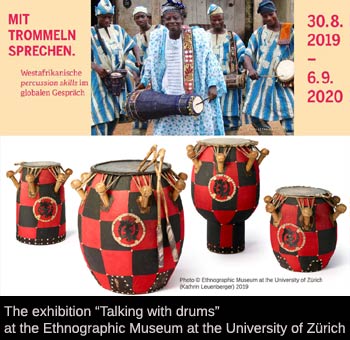
In some African societies, talking drums imitate tonal languages and function as systems of long-distance communication. Court drums symbolize political authority and social hierarchy, while ceremonial drums accompany important public events.
In New Guinea, drums often play a central role in initiation rituals, ancestor worship, and communal ceremonies. Their importance lies not only in their sound but also in their role in shaping social relationships and cultural identity.
In the Himalayas, shaman drums serve as instruments of spiritual mediation, healing, and trance. Their rhythmic patterns create symbolic connections between the visible and invisible worlds.
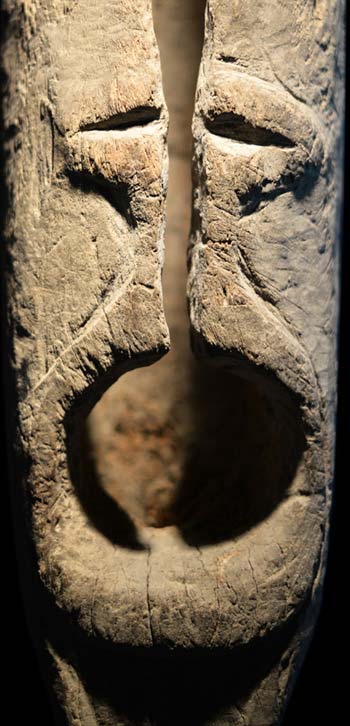
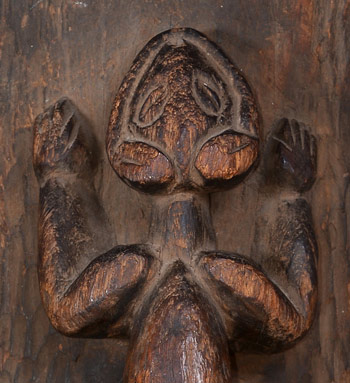
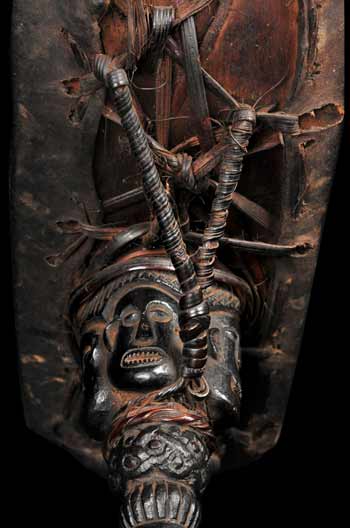
The collection also highlights the artistic qualities of drums. Carvings, proportions, materials, pigments, and iconographic elements transform many drums into remarkable works of tribal art.
Today, many traditional drum cultures are threatened or have already disappeared. This digital museum therefore aims not only to present a private collection but also to contribute to the preservation and documentation of a significant part of the world's cultural memory.
Whether you are interested in music, ethnology, anthropology, tribal art, collecting, religion, ritual, shamanism, or the history of human cultures, the world of drums offers an extraordinary perspective on humanity itself.
Read more
Drums of the World – Trommeln im Spannungsfeld von Kunst, Musik, Geschichte und kultureller Identität
Die Sammlung „Drums of the World“ von Ulli Siebenborn eröffnet einen einzigartigen Zugang zur kulturellen Bedeutung von Trommeln als zentrale Objekte menschlicher Gesellschaften und präsentiert eine der außergewöhnlichsten privaten Trommelsammlungen.
Die Sammlung dokumentiert rund 400 traditionelle Trommeln und Schlitztrommeln aus mehr als 150 Kulturen und untersucht ihre Bedeutung als kulturelles Erbe, künstlerischer Ausdruck, religiöse Praxis und Gegenstand ethnomusikologischer Forschung.
Trommeln sind weit mehr als Musikinstrumente. Sie verbinden Klang, Körper, Kommunikation, Spiritualität, Macht, Ritual und Ästhetik. In vielen Kulturen fungieren sie als Kommunikationsmittel, Herrschaftssymbole, Heilungsinstrumente und Ausdruck kollektiver Identität.
Mit ihren geografischen Schwerpunkten in Afrika, dem Himalaya und Neuguinea verdeutlicht die Sammlung die Vielfalt der Trommeln, Talking Drums, Ritualtrommeln, heiligen Trommeln, Zeremonialtrommeln, Schamanentrommeln und traditioneller Perkussionsinstrumente in ihren jeweiligen kulturellen Zusammenhängen.
Die Sammlung zeigt, dass Trommeln nicht nur Musikinstrumente sind, sondern komplexe kulturelle Artefakte, die Wissen, Glaubensvorstellungen, soziale Strukturen und künstlerische Traditionen über Generationen hinweg bewahren.
So wird die Trommel als universelles kulturelles Medium sichtbar, das Menschen und Kulturen weltweit miteinander verbindet und einen wichtigen Beitrag zum Erhalt des immateriellen Kulturerbes leistet.
Warum ein Trommelmuseum?
Obwohl die Trommel zu den ältesten und universellsten Instrumenten der Menschheit gehört, ist die außergewöhnliche Vielfalt ihrer kulturellen Ausdrucksformen außerhalb wissenschaftlicher und ethnologischer Zusammenhänge oft nur wenig bekannt.
Traditionelle Trommelkulturen entwickelten sich unabhängig voneinander in Afrika, Asien, Ozeanien, Europa und Amerika. Viele dieser Traditionen werden bis heute praktiziert, andere verschwinden durch Globalisierung, Migration, Industrialisierung und gesellschaftlichen Wandel.
Die Siebenborn-Sammlung möchte diese außergewöhnliche Vielfalt dokumentieren und bewahren. Sie betrachtet Trommeln nicht nur als Musikinstrumente, sondern zugleich als ethnologische Objekte, Kunstwerke, rituelle Medien und historische Dokumente.
In einigen afrikanischen Gesellschaften imitieren "Talking Drums" tonale Sprachen und dienen als Instrumente der Fernkommunikation. Trommeln an Herrscher Höfen repräsentieren politische Macht und soziale Hierarchien, während Zeremonialtrommeln wichtige gesellschaftliche Ereignisse begleiten.
In Neuguinea spielen Trommeln häufig eine zentrale Rolle bei Initiationsriten, Ahnenkulten und gemeinschaftlichen Zeremonien. Ihre Bedeutung liegt nicht allein im Klang, sondern auch in ihrer Funktion für soziale Beziehungen und kulturelle Identität.
Im Himalaya dienen Schamanentrommeln als Instrumente spiritueller Vermittlung, der Heilung und der Trance. Ihre rhythmischen Strukturen schaffen symbolische Verbindungen zwischen sichtbaren und unsichtbaren Welten.
Die Sammlung hebt außerdem die künstlerischen Qualitäten von Trommeln hervor. Schnitzereien, Proportionen, Materialien, Pigmente und ikonografische Elemente machen viele Trommeln zu außergewöhnlichen Werken der Stammeskunst.
Heute sind zahlreiche Trommelkulturen bedroht oder bereits verschwunden. Dieses digitale Museum versteht sich deshalb nicht nur als Präsentation einer privaten Sammlung, sondern auch als Beitrag zur Bewahrung und Dokumentation eines bedeutenden Teils des kulturellen Gedächtnisses der Menschheit.
Ob Musik, Ethnologie, Anthropologie, Stammeskunst, Sammeln, Religion, Ritual, Schamanismus oder Kulturgeschichte – die Welt der Trommeln eröffnet einen außergewöhnlichen Blick auf die Vielfalt menschlicher Gesellschaften.
Mehr lesen