DRUMS OF THE WORLD
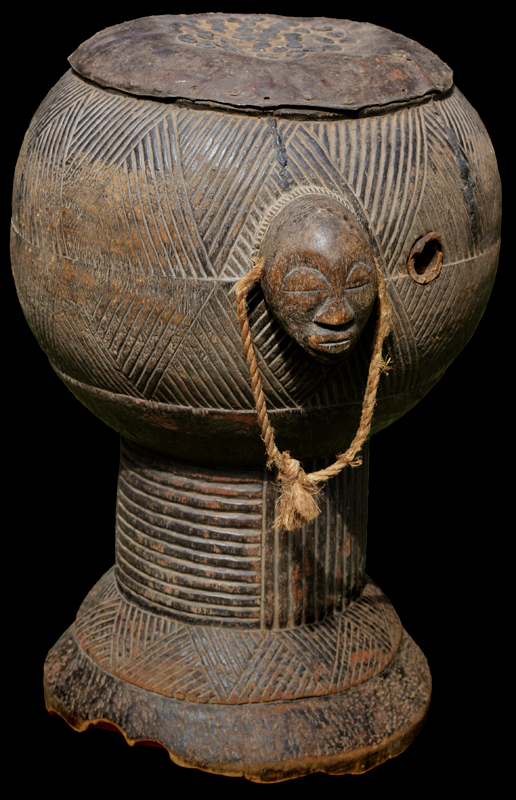
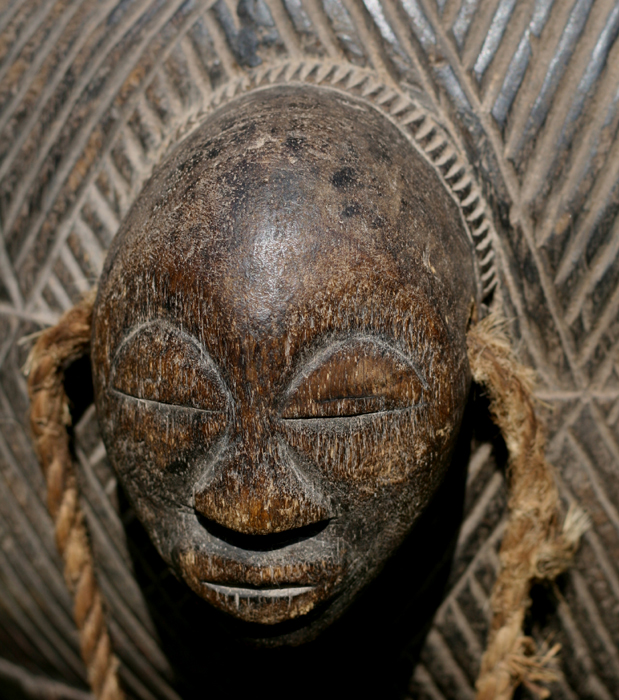
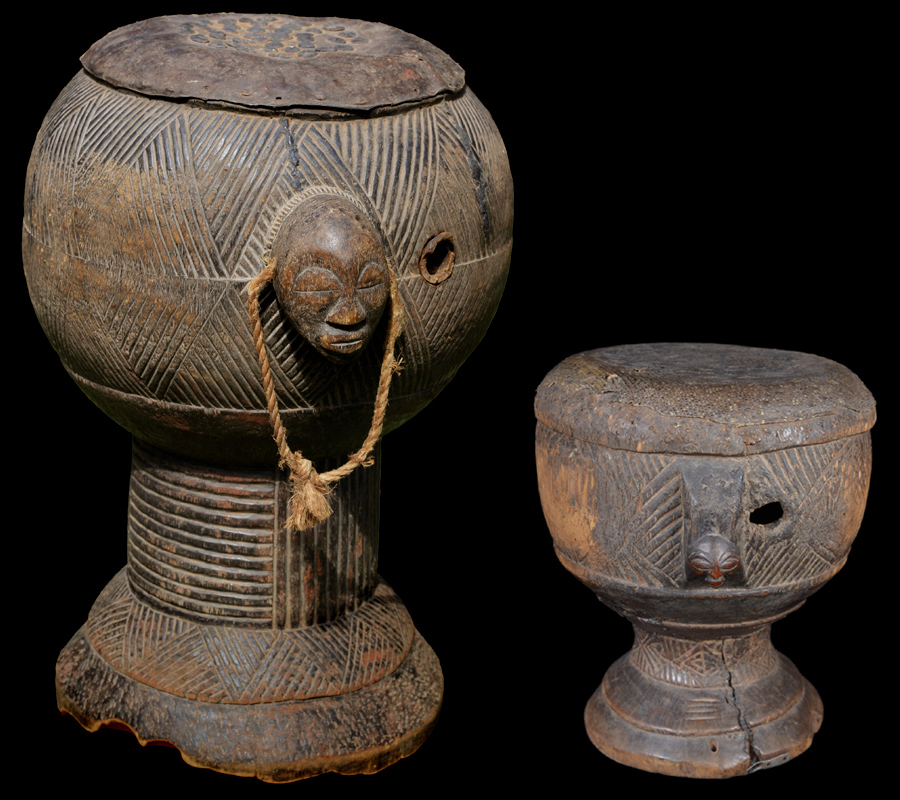
Luba (Baluba) ceremonial drum (Democratic Republic of the Congo)
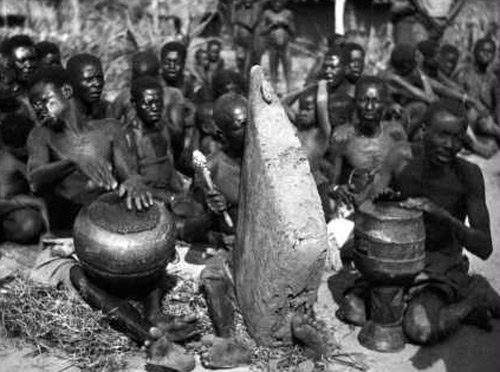
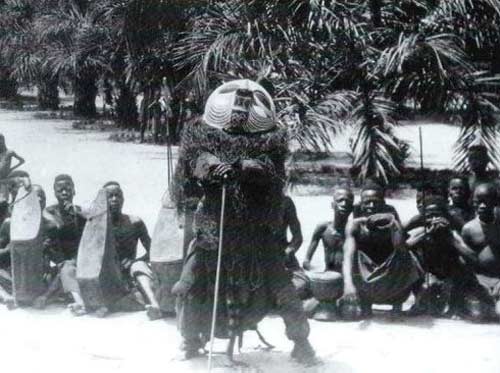
Source
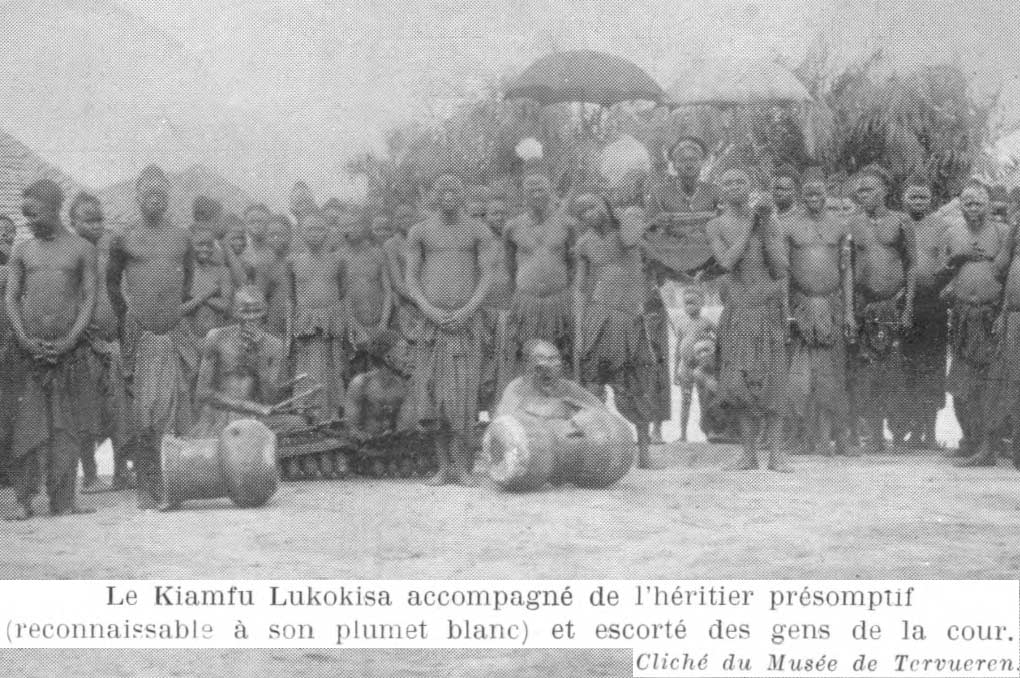
"From the artistic point of view the Baluba, especially those from Kabongo, have developed artistic skills to a high degree. Their artists excel in the practice of the plastic arts. Wood and clay are the basic material. They fashion statuettes (Nkinsi) and big masks (Kifwebe), headrests (Musamo) and arrow holders. They use different musical instruments that are made from wood: drums (Ngoma), xylophones (Mandimba), wood gongs (Kyondo). These instruments harmonise the melodies for social entertainment."
Jos Gansemans, Les instruments de musique des Kongo et des zones d'influence. Musée Royal de l'Afrique Centrale, Tervuren, 1978, pp. 59–68.
Literature
Bibliography:Gansemans, Jos (1978). Les instruments de musique des Kongo et des zones d'influence. Tervuren: Musée Royal de l'Afrique Centrale.
Maesen, Albert (1967). Musique et instruments de musique des Luba. Tervuren: Musée Royal de l'Afrique Centrale.
Reefe, Thomas Q. (1981). The Rainbow and the Kings: A History of the Luba Empire to 1891. Berkeley: University of California Press.
Roberts, Allen F. & Roberts, Mary Nooter (1996). Memory: Luba Art and the Making of History. New York: Museum for African Art / Prestel.
Boone, Olga : Les tambours du Congo Belge et du Ruanda-Urundi. 2Vol.1951. Tervuren : Annales du Musée du Congo Belge; Ethnographie 1
Brincard, M.T. : Sounding Forms – African Musical Instruments 1989
Chauvet, Dr. Stephen : Musique Nègre. 1929
Dagan , Esther A. : Drums - The Heartbeat of Africa. Galerie Amrad 1993
Gansemans, Jos : Les instruments de musique Luba. 1980
Laurenty, J.S. : Les membranophones des Luba-Shankadi. 1972
Maes, Joseph : Sculpture decorative ou symbolique des instruments de musique du Congo Belge. 1937
Meyer, Andreas : Afrikanische Trommeln – West- und Zentralafrika. Staatliche Museen Preußischer Kulturbesitz, Berlin 1997
Söderberg, Bertil : Les instruments de musique au Bas-Congo et dans les régions avoisinantes. Stockholm 1956
Thompson, Robert Farris : The four moments of the sun - Kongo art in two worlds. 1981
Wieschhoff, Heinz : Die afrikanischen Trommeln und ihre außerafrikanischen Beziehungen. Stuttgart 1933