Himalaya
Kanjira Drum India
Introduction
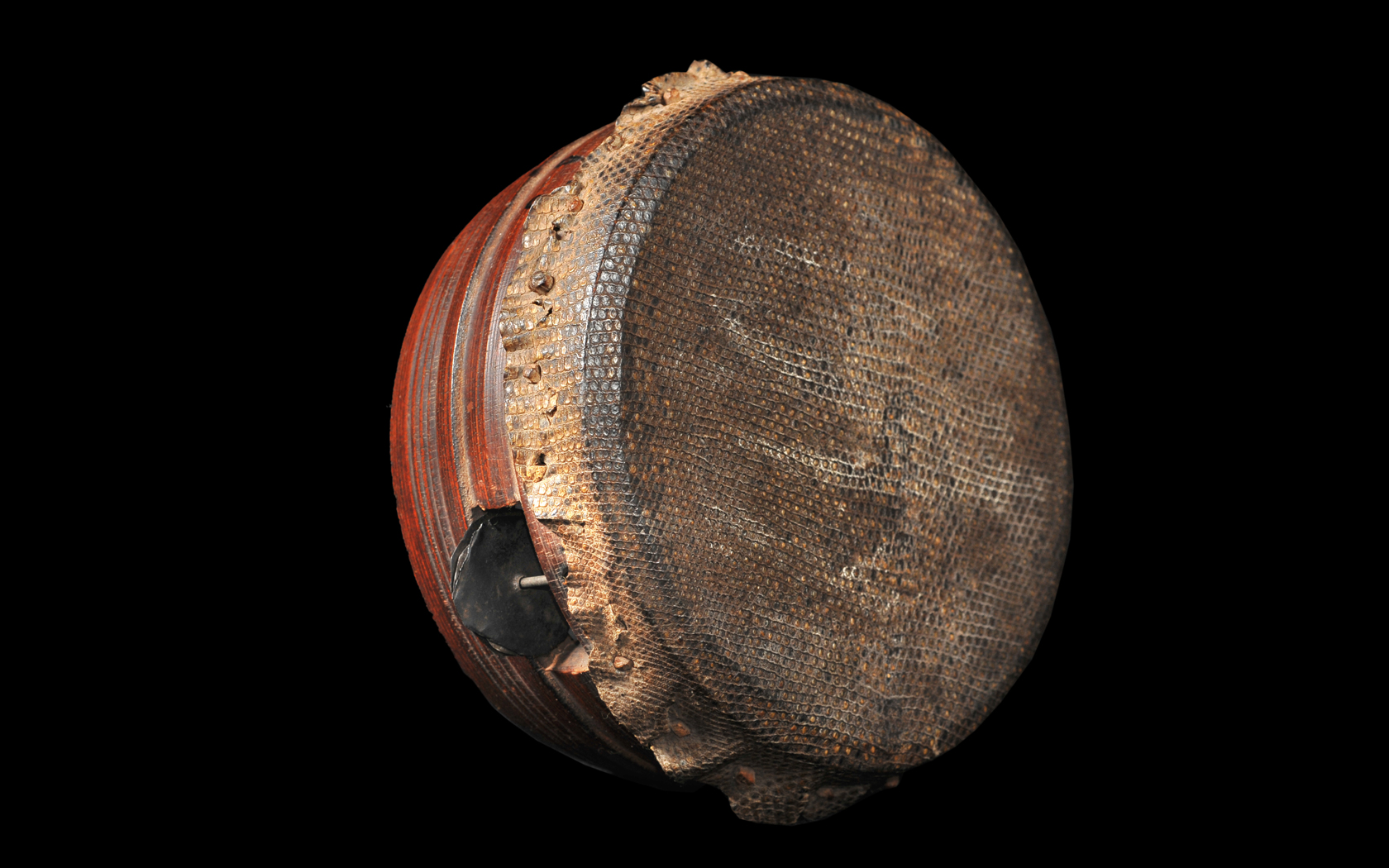
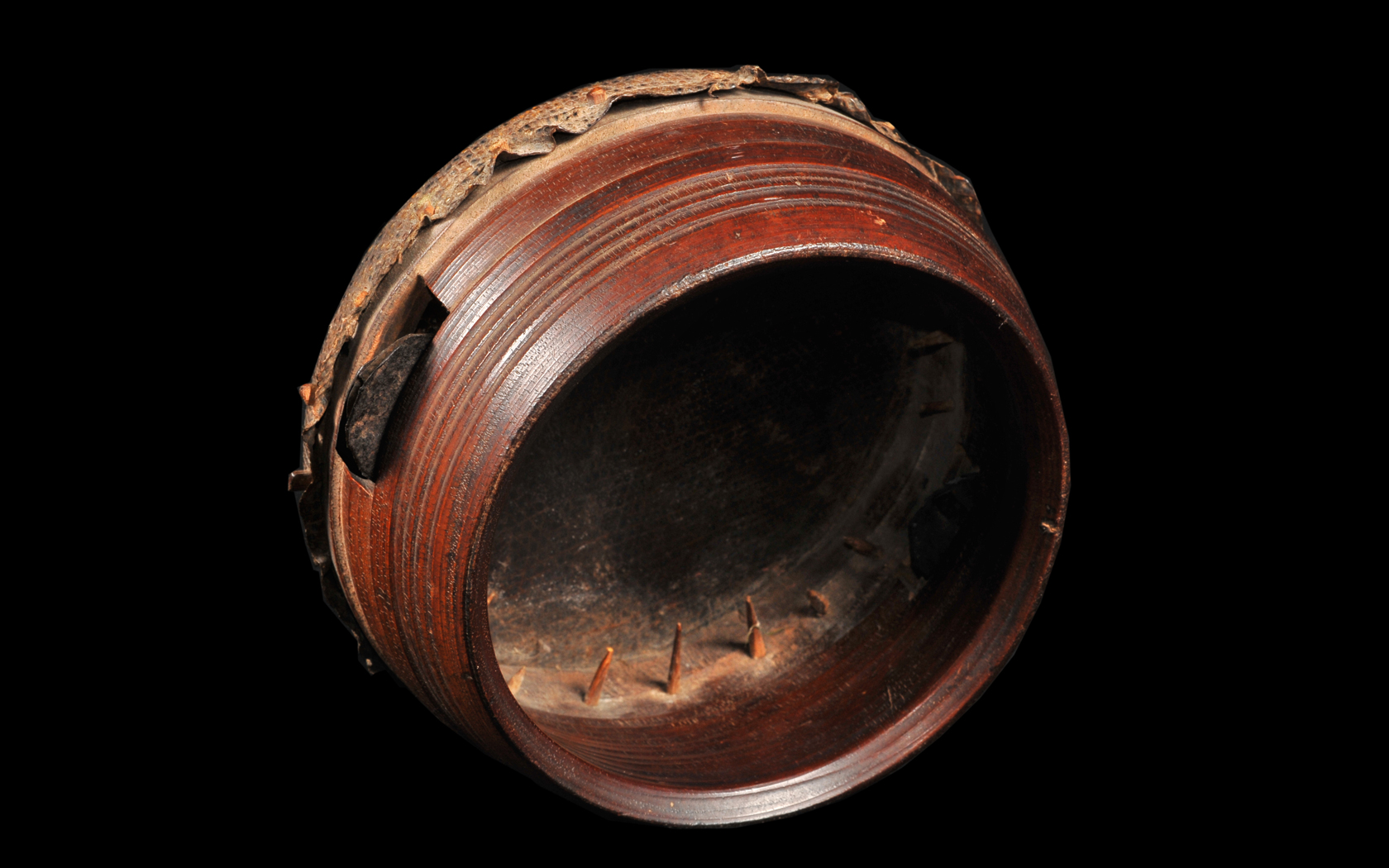
The Kanjira is one of the most important frame drums of South India and occupies a distinguished position within the Carnatic musical tradition. Although modest in size, it is regarded as one of the most expressive percussion instruments of Indian classical music. The Kanjira accompanies vocal and instrumental performances, supports rhythmic dialogue with other percussion instruments, and has developed into a highly respected solo instrument renowned for its remarkable technical and musical versatility.
Historical Background
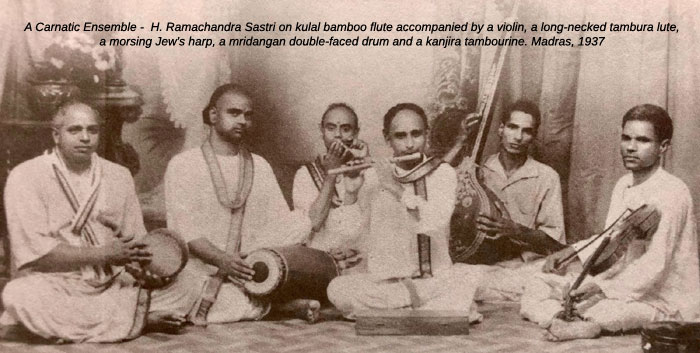
The modern Kanjira evolved from traditional South Indian frame drums used in devotional and folk music before becoming firmly established within the classical Carnatic concert tradition during the nineteenth and twentieth centuries. Today it forms an integral part of the percussion ensemble, most frequently accompanying the mridangam, while maintaining its own distinctive musical identity. Its development reflects the increasing sophistication of South Indian rhythmic performance practice and the refinement of Carnatic percussion as an independent art form.
Organology
Organologically, the Kanjira is a single-headed frame drum consisting of a shallow circular wooden frame covered with a membrane traditionally made from monitor lizard skin. A single pair of metal jingles is inserted into the frame, producing a subtle metallic resonance that complements rather than dominates the instrument's sound. The membrane is highly responsive to variations in humidity and tension, allowing performers to manipulate pitch, resonance, and timbre during performance. Since the international protection of monitor lizards, newly manufactured Kanjiras are commonly fitted with synthetic or alternative natural membranes.
Performance Practice
The Kanjira is played with one hand striking the membrane while the supporting hand continuously controls membrane tension and resonance. This technique enables an exceptional range of timbres, from dry articulated strokes to deep bass sounds and expressive pitch inflections. Within Carnatic performance practice, the instrument is renowned for its ability to execute intricate rhythmic improvisations (korvais and solkattu) with extraordinary precision while maintaining close musical dialogue with the principal percussionist.
Ethnomusicological Significance
The Kanjira represents one of the finest examples of the highly developed rhythmic culture of South India. Despite its simple construction, it demonstrates how refined playing techniques and subtle control of membrane tension can transform a small frame drum into an instrument of exceptional musical complexity. For ethnomusicologists, the Kanjira illustrates the close relationship between craftsmanship, acoustics, and performance practice, while exemplifying the central role of rhythm within the Carnatic musical system.
Bibliography
Allen, Matthew Harp (1997): Music in South India. The Karnatak Concert Tradition and Beyond.
Sambamoorthy, P. (1958–1976): South Indian Music. Vols. I–VI. The Indian Music Publishing House, Madras.
Viswanathan, T.; Allen, Matthew Harp (2004): Music in South India. Oxford University Press.
Kanjirists:
Past:
G Harishankar, Pudukottai Manpoondia Pillai, Dakshinamurthy Pillai, H. P. Ramachar, Mayavaram Somusundaram, C. K. Shyam Sundar, Thirukadaiyur T. K. Dakshinamoorthy, V. Nagarajan.
Present:
B. Shree Sundar Kumar, K. V. Gopalakrishnan, B.S. Purushotham, N. Amrit, Anirudh Athreya, V. Selvaganesh, N. Ganeshkumar, K. S. Rangachari, K. V. R. S. Mani, C. P. Vyasa Vittala, C. S. Venkatramanan, Abhishek Raghuram, Alathur T. Rajaganesh, Guru Raghavendra, Latha Ramachar, Nerkunam S. Sankar, Neyveli B. Venkatesh, Papanasam S. Sethuraman, Thenkasi H. Paramasivam, Thiruvayur Saikrishnan, Thrikakkara Y. N. Shantharam, Tirupur G. Sridhar Kumar, Trichy V. V. S. Manian, Vivek Chellappa, Vinay Mallikarjan, Vivek Rajagopalan.